
The Righteous label’s Sizing Guide Broken Down: Sidestepping Frequent Fit Slip-Ups
Since fitting rooms aren’t part of online shopping, nothing triggers more returns than this in apparel commerce. Righteous clothing has forged a following on standout prints and city-inspired forms, but even the best design comes up short if the fit is wrong. Learning how Righteous garments are cut, where they run generous, and where they run tight-fitting, will save you time, money, and the hassle of a return shipment. The following breakdown walks through the nuts and bolts of sizing so your next order arrives fit for use, not ready to send back.
Steadiness in fit is one reason We Are Righteous has grown into such a well-known presence in streetwear circles. Shoppers familiar with the label’s fit approach tend to report less dissatisfaction with fit than those who guess based on a single different label’s measurements. Seeing as no two brands size quite the same, treating every transaction as its own decision, rather than assuming a blanket sizing norm, is the smartest approach.
The Root Causes of Frequent Fit Errors
Nearly all fit problems come down to one thing: shoppers use their size from a different manufacturer entirely to a new one without confirming the actual measurements. A medium in one label can vary by two or three inches in chest width from a medium at a different company. Such a variance is enough to turn a laid-back urban cut into either a baggy mess or an overly snug squeeze across the righteous sweats shoulders.
A second frequent mistake is ignoring the difference between body measurements and garment measurements. Body measurements describe you; garment measurements describe the piece in question, including intentional room added in for style. A hoodie designed for an relaxed drop-shoulder shape will always measure bigger than your real chest dimension, and that is intentional, not a mistake in the chart.
Post-wash shrinkage is a third factor buyers don’t account for. Cotton-dominant items, including many Righteous hoodie styles, can give up a small percentage of their size in the first few washes if not cared for properly. Reviewing the care label before the first wash and following it precisely reduces this risk substantially. Cool washes paired with low-heat drying preserve fit far better than warm or hot laundering.
Getting an Accurate Self-Measurement
Three core measurements matter most of all prior to buying any piece: chest, waist, and length preference. Wrap a soft tape measure around the fullest part of your chest, making sure it stays straight and secure but not constricting. Do the same around your natural waist, commonly right above your navel. Record your preferred garment length by measuring a hoodie or tee you already own and love the fit of, from the top of the shoulder seam down to the hem.
Note these three numbers down before browsing the Righteous clothing brand’s product pages. Keeping them on hand prevents snap judgments about sizing shaped by rough estimates or by what “feels right” based on memory alone. Memory is unreliable; a tape measure is not.
It also helps to measure a garment you currently have that reflects the fit you want in a new item, laid flat, and line up that flattened measurement to the product’s stated specs. This laid-flat technique is more accurate than relying on standard S/M/L labels, since generic sizing categories vary by cut and by season, all the more because Righteous apparel revises its cuts each year.
Decoding the Righteous Size Chart
A size chart typically lists measurements in inches or centimeters across a side-by-side row of sizes, with chest, waist, and sometimes hip and length figures underneath. The trick is lining up your physical measurement to the appropriate row, not the closest matching letter. When your measurement lands between two size options, opting for the larger size is generally the more dependable option for streetwear pieces designed with a looser fit in mind, while choosing the smaller size works best for anyone chasing a slimmer, more tailored look.
Be mindful of the unit system. Mixing up cm and inches is a frequent and entirely avoidable mistake that brings about garments arriving nowhere near the right fit. Verify the unit indicator at the top of the chart each time, even for repeat customers of the brand, since specs can be adjusted between collections.
Here is a general comparison of how a loose streetwear cut tends to differ from a tailored or standard cut across chest measurements, to illustrate why cut style matters just as much as size letter.
| Labeled Size | Fitted Chest Measurement (inches) | Loose/Oversized Chest Measurement (inches) | Recommended Body Chest Range (inches) |
|---|---|---|---|
| Small | 36-38 | 40-42 | 34-36 |
| Medium | 39-41 | 43-45 | 37-39 |
| Large | 42-44 | 46-48 | 40-42 |
| XL | 45-47 | 49-51 | 43-45 |
What you see above is a approximate picture of how silhouette shifts the numbers underlying the same labeled size, not a replacement for the precise measurements listed on each product page. Take a moment to check the specific chart paired with the item you want, since a Righteous hoodie and a snug-fit tee will not have the same proportions even in the same size label.
Comparing Fit Across Hoodies, Tees, and Bottoms
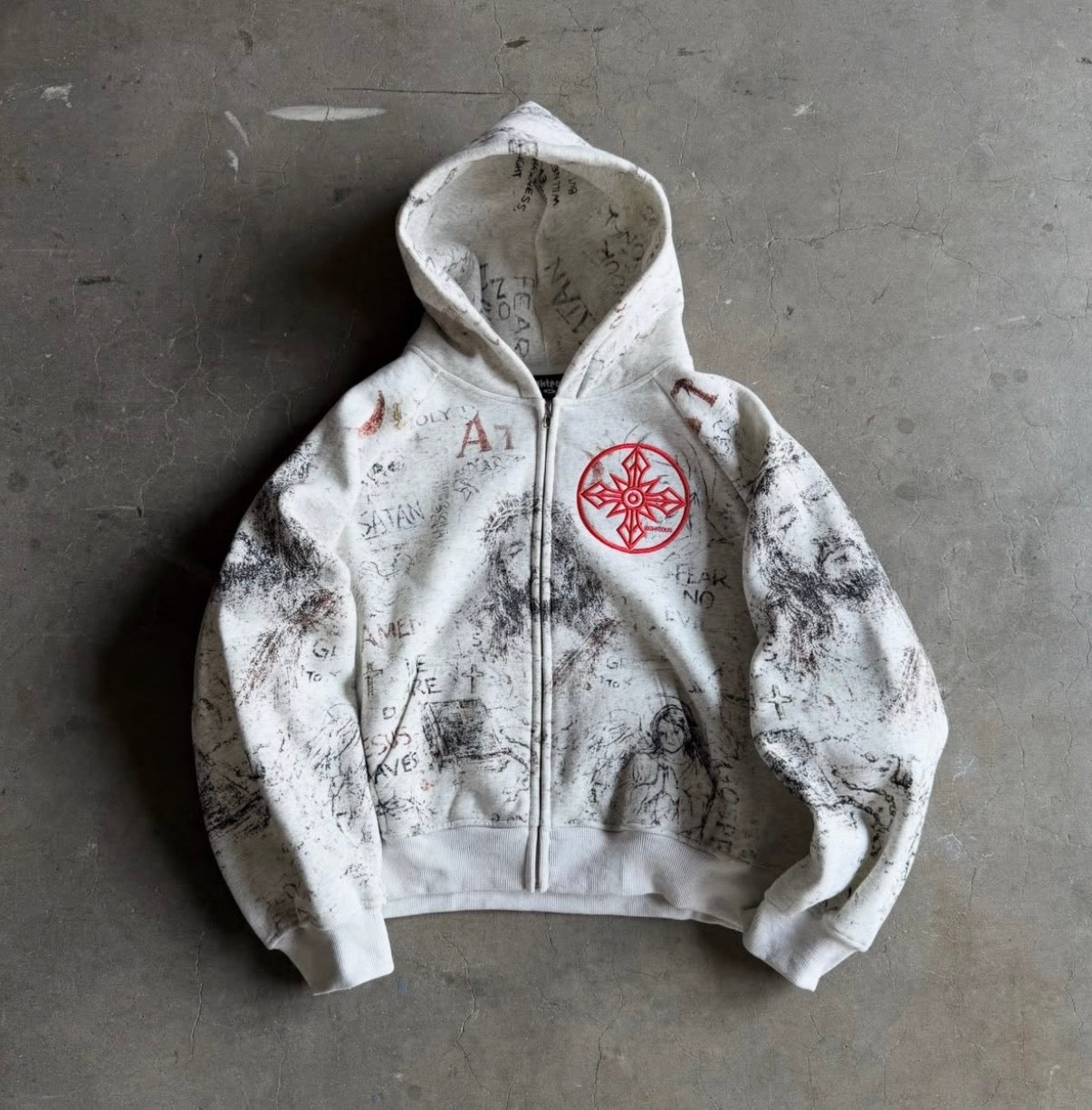
A Righteous hoodie is commonly constructed with added space through the frame and sleeves to deliver that classic streetwear hang, so choosing your standard tee size in a hoodie style can result in a fit that feels unexpectedly boxy. If your taste runs toward a closer silhouette, verifying the garment’s chest measurement against your own—instead of guessing at your regular letter size—prevents regret.
Tees behave differently. Because they contain reduced fabric, and are commonly worn beneath outerwear or layers, a snugger fit is more common in tee sizing charts compared with hoodie charts. A large-hoodie wearer might well fit a medium in the brand’s tees, since the intended looseness differs from style to style.
Pants and shorts bring in a third variable: waist compared to hip sizing, plus leg length. Even when the waist checks out, joggers or shorts from the brand can still feel snug or baggy through the hip depending on your body shape, which is why waist and hip numbers usually appear together. Checking both numbers, not just the waist, avoids an unwelcome surprise.
What Righteous Feedback Tells You About Sizing
Reviews from past buyers is one of the handiest tools when a standard measurement table alone can’t resolve your specific question. A detailed Righteous review will often mention whether a piece runs true to size, slightly large, or noticeably small, and that real-world context is valuable alongside the official measurements. Repeated observations across many reviews are more reliable than any single comment, since physiques and individual fit tastes differ from person to person.
As you skim a We Are Righteous review, look for any reference to the reviewer’s usual size at other brands and how it stacked up against the Righteous piece. A reviewer who says “I’m usually a medium everywhere and this fit true” offers a useful data point, especially if several other reviewers repeat the same takeaway.
It’s also worth noting height and weight details when reviewers share them, since this information add context that a static measurement chart can’t. Two people with the same chest measurement but different heights may prefer different lengths in the same hoodie, and reviews often surface these nuances better than a static chart.
Typical Fit Pitfalls to Watch For in 2026
The number-one misstep remains skipping the size chart entirely and ordering based on assumption. Even loyal customers who’ve bought from We Are Righteous before should double-check current charts each season, since fits can be refined or adjusted between drops. A size that fit perfectly a year back could shift somewhat as pattern blocks get updated.
Buyers also stumble into the trap of overlooking garment length while solely reviewing width. You could find a hoodie with the accurate chest measurement but a surprisingly short or long body length, altering how it sits when paired with assorted bottoms. Comparing the length measurement with a piece you already own is a quick, five-minute step that heads off plenty of regret.
In closing, don’t dismiss the return and exchange policy before you buy, and rely on it as a safety net instead of avoiding a purchase for fear of getting it wrong. Despite careful measuring, occasional mismatches crop up, and being aware you have that option eliminates needless pressure from every order.
Taking these steps, measuring accurately, reading the specific chart for each item, and checking real customer feedback, transforms a possibly frustrating shot in the dark into a straightforward decision. Righteous rewards this small measure of upfront effort with garments that fit the way they were designed to, season after season.