
Understanding the psychology behind gambling decisions in a casino environment
The Role of Environment in Gambling Choices
The casino environment plays a crucial role in shaping the decisions of gamblers. Bright lights, vibrant colors, and enticing sounds are all designed to create an exhilarating atmosphere that stimulates excitement and anticipation. This sensory overload can heighten emotional responses, making it easier for players to lose track of time and money. The ambiance can create a sense of urgency, prompting individuals to engage in gambling behaviors they might otherwise avoid, especially at non gamstop betting sites.
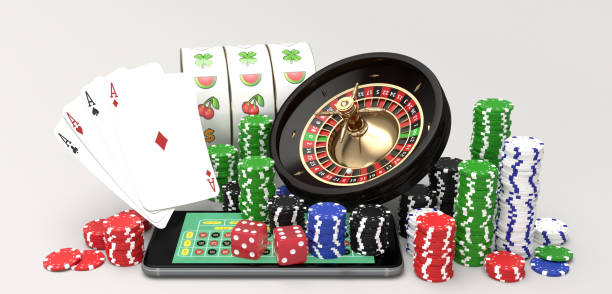
Moreover, the layout of a casino encourages exploration and interaction. Players often find themselves drawn to certain machines or tables based on visual cues, and the strategic placement of games is designed to maximize foot traffic. This environment can lead to impulsive decision-making, where individuals may gamble more than they initially planned, influenced by the surrounding excitement and social interaction.
The Impact of Cognitive Biases
Cognitive biases significantly influence gambling decisions, leading players to make irrational choices. The gambler’s fallacy, for instance, is a common misconception where individuals believe that past results can affect future outcomes. This belief can encourage players to continue gambling, thinking that they are “due” for a win after a series of losses. Such biases can cloud judgment, making it difficult for gamblers to make rational decisions about their play.
Additionally, confirmation bias can also play a role, as players tend to notice and remember wins while dismissing losses. This selective memory reinforces the desire to continue gambling, as individuals focus on the thrill of winning rather than the reality of potential losses. Understanding these cognitive biases can help gamblers recognize their decision-making patterns and promote more responsible gambling practices.
The Emotional Drivers Behind Gambling
Emotions are powerful drivers of behavior in a casino setting. Many players gamble to escape stress or boredom, seeking an emotional high that comes from the thrill of the game. This need for emotional stimulation can lead to compulsive gambling, as individuals chase the excitement and often overlook the financial consequences. The anticipation of winning can release dopamine, a neurotransmitter associated with pleasure, further reinforcing the desire to gamble.
Furthermore, social interactions in a casino can amplify emotional experiences. Engaging with friends or strangers can create a sense of camaraderie and shared excitement, which can encourage individuals to gamble more. These social dynamics, combined with the emotional highs associated with gambling, can make it challenging for players to recognize when they need to stop, highlighting the importance of awareness and self-regulation in responsible gambling.
Strategies for Responsible Gambling
Understanding the psychology behind gambling decisions is vital for promoting responsible gambling practices. Players can benefit from setting strict limits on time and money before entering a casino, ensuring they have a clear plan in place. This pre-commitment can reduce impulsivity, allowing individuals to enjoy their experience without the pressure of chasing losses or getting swept up in the casino’s excitement.
Additionally, educating oneself about the odds and mechanics of games can empower players to make more informed decisions. By recognizing the house edge and understanding the nature of chance, gamblers can approach their play with a healthier mindset. Encouraging open discussions about gambling habits with friends and family can also foster a support system, providing accountability and helping to mitigate risky behaviors.

Exploring Responsible Gambling Resources
In the modern gambling landscape, numerous resources are available to promote responsible gambling. Websites dedicated to educating players about the risks of gambling and providing strategies for safe play can be invaluable. These platforms often feature tools such as self-assessment quizzes, budgeting calculators, and links to support organizations that can assist individuals struggling with gambling addiction.
By engaging with these resources, players can cultivate a healthier relationship with gambling, recognizing it as a form of entertainment rather than a means of financial gain. As the conversation around responsible gambling continues to evolve, it’s essential for individuals to seek out and utilize these resources, ultimately creating a safer gambling environment for all.